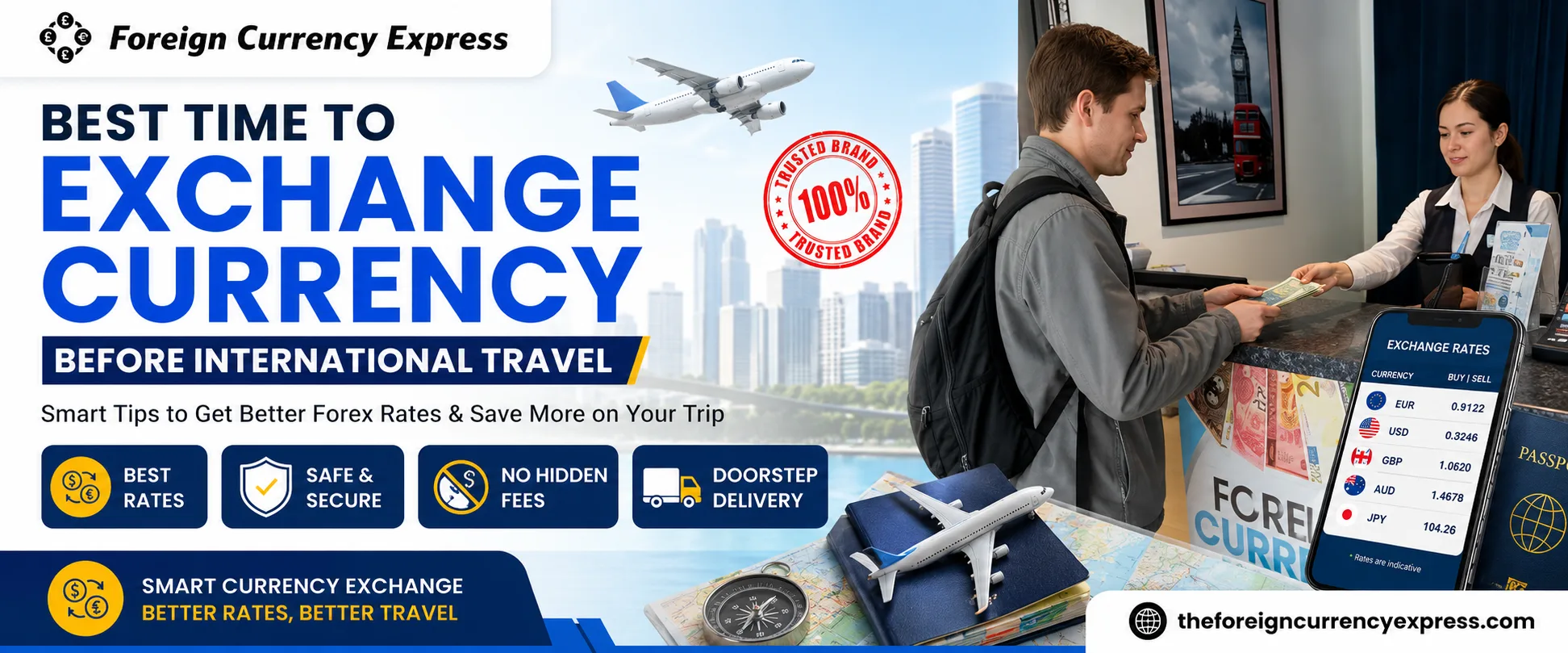
Planning an international trip involves more than just booking flights and hotels. One of the most overlooked yet important aspects of travel preparation is deciding when to exchange currency. Exchange rates can fluctuate daily due to global economic conditions, inflation, interest rates, and geopolitical events. Exchanging money at the wrong time can cost travelers significantly more than expected.
Whether you’re traveling for vacation, business, education, or medical purposes, understanding the best time to exchange foreign currency can help you save money and travel stress-free. In this guide, we’ll explain how currency exchange works, the ideal time to buy foreign currency, and practical tips to get the best exchange rates before your trip.
Why Timing Matters in Currency Exchange
Currency exchange rates are constantly changing. A small difference in exchange rates may not seem significant at first, but it can make a major impact when exchanging large amounts.
For example, if you’re converting INR to USD for a family vacation or overseas education expenses, even a ₹1 difference per dollar can affect your overall budget considerably.
Exchange rates are influenced by:
- Global economic conditions
- Inflation and interest rates
- Political stability
- International trade
- Market demand for currencies
- Central bank policies
Because of these fluctuations, timing your currency exchange strategically can help you maximize value.
The Ideal Time to Exchange Currency Before Travel
1. Exchange Currency 1–2 Weeks Before Departure
In most cases, the best time to exchange currency is around one to two weeks before your trip. This gives you enough time to monitor exchange rates and avoid last-minute panic buying at expensive airport counters.
Benefits of early exchange include:
- Better exchange rate opportunities
- Reduced stress before departure
- Availability of preferred currency denominations
- Avoidance of emergency airport exchange fees
Waiting until the final day often results in poor exchange rates and additional service charges.
Avoid Airport Currency Exchange Counters
One of the biggest mistakes travelers make is exchanging money at airports. Airport currency exchange services are convenient, but they usually offer the least competitive rates.
Why Airport Exchanges Are Expensive
- Higher service fees
- Poor exchange margins
- Limited competition
- Emergency traveler pricing
If you must exchange money at the airport, only convert a small amount for immediate expenses like taxis, food, or transport.
Monitor Exchange Rates in Advance
If you know your travel dates early, start monitoring exchange rates several weeks or even months beforehand. Currency values can rise or fall unexpectedly.
Keeping an eye on the market allows you to:
- Identify favorable exchange periods
- Avoid sudden market spikes
- Lock rates when the market is stable
Travelers who monitor trends often save significantly compared to last-minute buyers.
Exchange Currency During Market Stability
Avoid exchanging currency during periods of:
- Major elections
- Economic crises
- Global conflicts
- Sudden inflation announcements
- Central bank policy changes
These events often create volatility in currency markets. Stable market periods generally offer more predictable and competitive exchange rates.
Best Days of the Week for Currency Exchange
While exchange rates fluctuate continuously, some forex experts suggest that mid-week periods sometimes provide better consistency compared to weekends or Mondays when markets react to global events.
Additionally:
- Many forex providers update rates multiple times daily
- Weekend exchange services may include higher margins
- Early weekday transactions may offer better availability
Although timing alone won’t guarantee huge savings, combining good timing with the right forex provider improves overall value.
Use Authorized Forex Providers Instead of Local Money Changers
Choosing the right forex provider is just as important as timing. Authorized and reputable forex companies generally provide:
- Competitive exchange rates
- Transparent pricing
- Genuine currency notes
- Safer transactions
- Online booking convenience
Many travelers now prefer professional forex services over banks because of faster processing and better rates.
You can explore reliable forex solutions through The Foreign Currency Express for travel currency exchange, remittance services, and international payment support.
Should You Exchange All Your Money at Once?
Not necessarily.
If exchange rates are fluctuating heavily, some travelers prefer a “split exchange” strategy:
- Exchange a portion early
- Monitor rates
- Exchange the remaining amount later if rates improve
This helps reduce the risk of converting all your money during an unfavorable rate spike.
However, if rates are particularly strong, locking in the full amount may be beneficial.
Consider Forex Cards for International Travel
In addition to cash, forex cards have become increasingly popular among travelers.
Benefits of Forex Cards
- Locked exchange rates
- Safer than carrying large amounts of cash
- Accepted internationally
- Multiple currency support
- Easier expense tracking
Forex cards can help travelers avoid daily exchange rate fluctuations during the trip.
Common Mistakes Travelers Should Avoid
1. Waiting Until the Last Minute
This often results in poor rates and limited options.
2. Exchanging at Airports
Airport counters typically charge higher fees.
3. Ignoring Hidden Charges
Always ask about:
- Service fees
- Conversion margins
- Delivery charges
- Card loading fees
4. Carrying Excessive Cash
A mix of cash, cards, and forex cards is usually safer.
5. Not Comparing Rates
Different providers offer different exchange rates. Comparing options can save a substantial amount.
How Much Foreign Currency Should You Carry?
The amount depends on:
- Destination country
- Trip duration
- Spending habits
- Availability of digital payments
Generally, travelers should carry enough local currency for:
- Transport
- Food
- Emergency expenses
- Small purchases
Avoid carrying your entire travel budget in cash.
Why Early Planning Saves Money
Travel budgeting becomes easier when currency exchange is planned. Early preparation allows travelers to:
- Compare forex providers
- Track exchange rates
- Avoid emergency fees
- Manage international expenses efficiently
Whether you’re planning a vacation, overseas education, honeymoon, or business trip, smart currency planning helps you stay financially prepared.
Final Words
The best time to exchange currency before international travel is usually 1–2 weeks before departure, during stable market conditions, and through a trusted forex provider. Avoid last-minute exchanges at airports and monitor exchange rates ahead of time to secure better value.
A little planning can help travelers save money, avoid unnecessary fees, and enjoy a smoother international travel experience.
For reliable and secure foreign currency exchange solutions, visit The Foreign Currency Express and explore professional forex services tailored for travelers, students, and international payments.